

Karen Kissinger Coaching – meal prepping can change what happens at 6:30 on a tired Wednesday evening, when hunger is high, the workday ran long, and takeout suddenly feels easier than chopping a vegetable. After years of nutrition coaching, I’ve found that healthier weekday eating often has less to do with knowing what to eat and more to do with having good food ready when your energy and patience are lowest. That practical focus is central to habit-based nutrition: make useful choices easier to repeat rather than relying on motivation alone.
⚡ Quick Answer
Sunday meal prepping makes healthier eating easier by doing the planning, cooking, and portioning before a busy week begins. You do not need seven fully cooked meals: preparing a few proteins, grains, vegetables, and grab-and-go foods can cover several days while giving you enough variety to avoid meal fatigue.
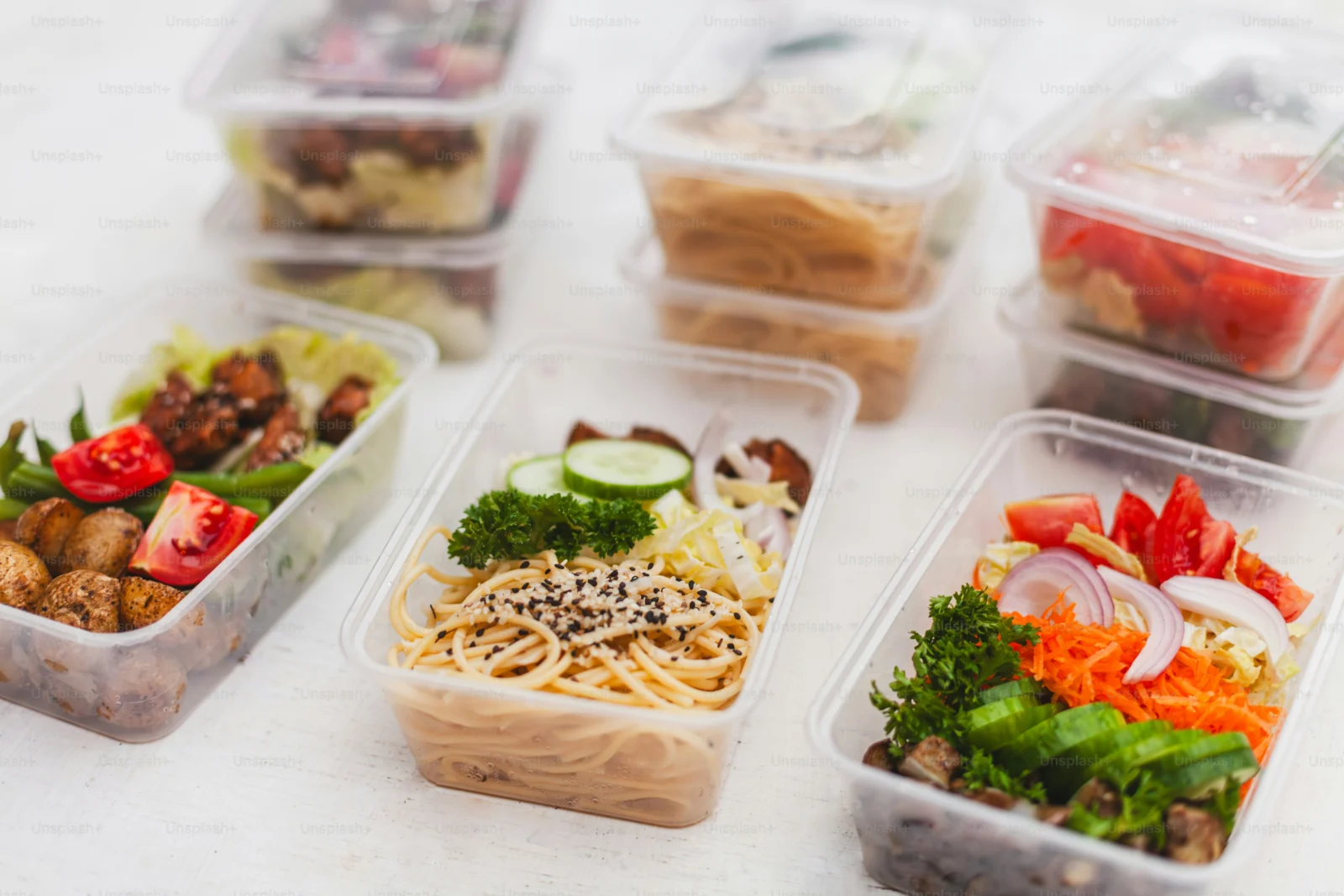
Why Sunday Meal Prepping Makes Healthy Eating Easier All Week
Sunday meal prepping works because it moves food decisions to a time when you can make them calmly instead of waiting until you are hungry, rushed, or mentally drained.
Meal prepping is the practice of preparing meals or meal components ahead of the time you plan to eat them.
For busy professionals, that distinction matters. A Monday lunch chosen at the grocery store on Sunday is usually a more deliberate decision than a Monday lunch chosen between meetings with ten minutes to spare. The same goes for dinner. When roasted vegetables, cooked brown rice, washed greens, and a protein are already waiting, building a meal may take five minutes rather than starting from zero.
Harvard T.H. Chan School of Public Health’s Healthy Eating Plate offers a useful visual model for planning those meals: roughly half the plate is vegetables and fruits, one quarter whole grains, and one quarter healthy protein. You can use those proportions as a loose balanced eating framework rather than treating Sunday as a marathon recipe session.
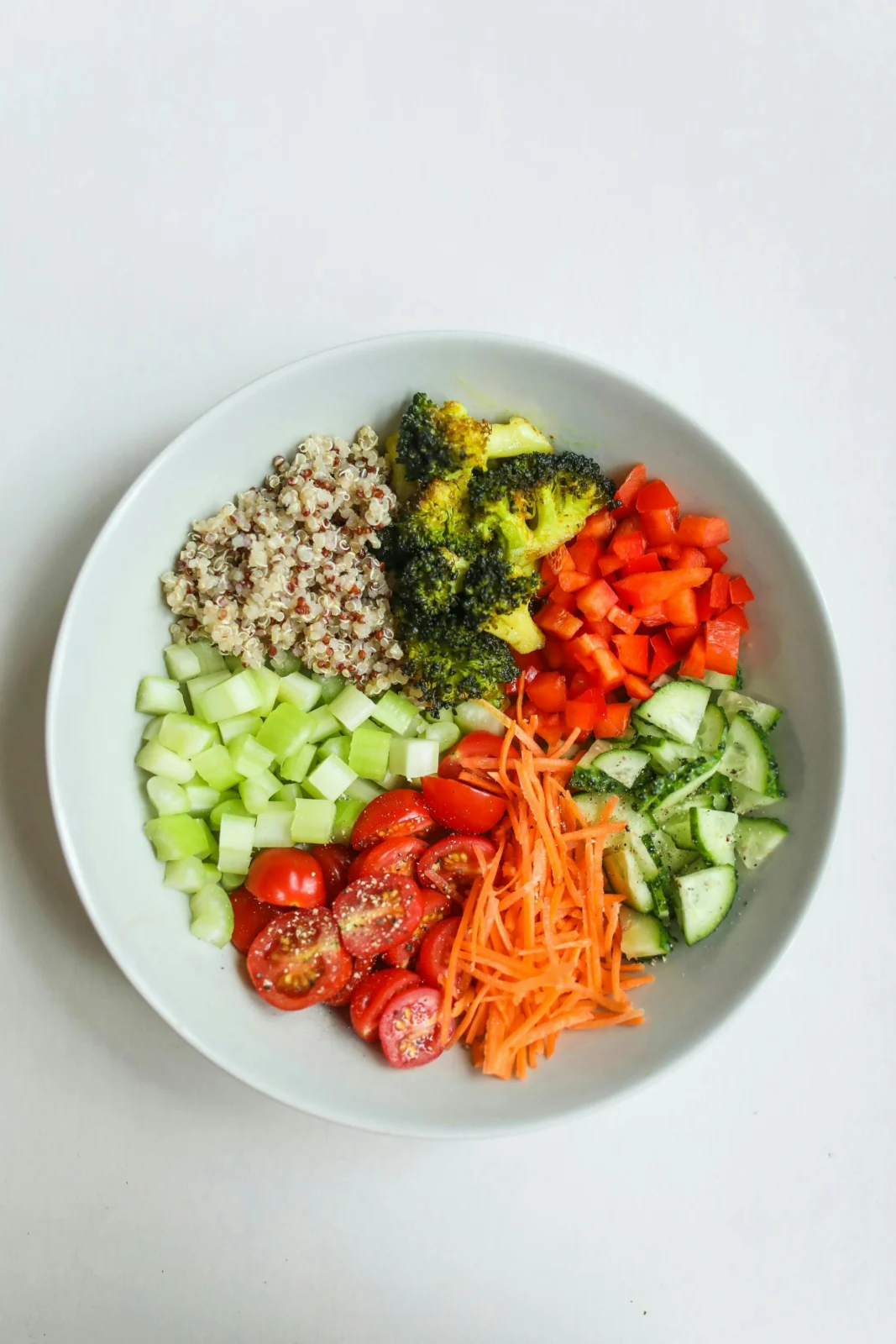
That might mean roasting broccoli and peppers, cooking quinoa, baking chicken or tofu, washing berries, and making a simple dressing. Those ingredients can become a grain bowl Monday, a salad Tuesday, and a wrap or quick dinner plate Wednesday. If you want more structure without calorie counting, this approach pairs naturally with a balanced meal plan.
I learned this lesson through a pattern I kept seeing with coaching clients. One woman could tell me exactly what a balanced lunch looked like, yet by Thursday she was eating whatever was closest to her office because nothing was ready at home. We changed just one thing: instead of using complicated weekly meal planning with seven different recipes, she prepared three flexible building blocks on Sunday. Within a few weeks, the biggest change wasn’t culinary skill—it was that weekday lunch stopped requiring negotiation with herself.
💡 Key Takeaway: The strongest reason to meal prep is not that Sunday cooking makes you more disciplined. It makes healthier food the easier option when your weekday energy is already spoken for.
The Real Benefit Isn’t Perfect Meals—It’s Fewer Last-Minute Food Decisions
What nobody tells you is that an overly ambitious meal-prep routine can backfire.
Seven perfectly portioned containers may look organized on Sunday night, but eating the same chicken, rice, and broccoli five days straight can become unappealing fast. By Thursday, the untouched container in the refrigerator can make ordering something else feel like a relief.
I prefer component prepping for most busy adults: cook a few foods that can be recombined instead of locking yourself into an identical meal every day. This fits the same behavioral logic behind building daily habits that support productivity: reduce friction around the behavior you want to repeat. Consistent healthy eating habits tend to grow from realistic routines, not one unusually productive Sunday.
You might prepare:
- A cooked protein such as chicken, lentils, tofu, or beans
- One whole grain such as quinoa or brown rice
- Two or three vegetables with different textures
- Washed fruit for snacks or breakfast
- One sauce, vinaigrette, or dip
- One freezer-friendly backup meal
The result is structure without the feeling that your entire week has already been decided for you.
Can You Meal Prep on Sunday for the Whole Week?
Yes, you can use Sunday to prepare food for the whole week, but that does not mean every cooked meal should sit in the refrigerator until Friday or Saturday.
This is where weekly meal prep needs a food-safety plan, not just a menu. A little food literacy also helps you distinguish practical storage guidance from claims that all prepared foods last equally long.
According to the U.S. Department of Agriculture’s Food Safety and Inspection Service, most cooked leftovers should be used within 3 to 4 days when refrigerated. USDA guidance also says perishable foods should be refrigerated promptly and recommends shallow containers for faster cooling.
So if you cook on Sunday, a practical strategy is to refrigerate meals you expect to eat Monday through Wednesday or Thursday and freeze portions intended for later in the week. Move a frozen portion into the refrigerator the night before you need it.
This small step is much better than assuming “meal prep lasts seven days” as a blanket rule. Different foods have different storage lives, and smell or appearance alone is not a reliable safety test.
It also means Sunday prep does not have to produce every bite you will eat until Saturday. Some foods can simply be prepared for faster cooking. Wash vegetables, portion oats, mix a sauce, chop sturdy produce, or measure ingredients so that Thursday dinner still feels fresh without demanding a full cooking session.
Does Meal Prep Last the Whole Week? What to Refrigerate vs. Freeze
Some meal-prepped foods can support an entire week, but the refrigerator should not automatically be the destination for all seven days of cooked food.
The USDA lists many cooked leftovers—including cooked meat, poultry, soups, stews, and casseroles—at about 3 to 4 refrigerated days when the refrigerator is kept at 40°F or below. Foods intended for later should be frozen when appropriate rather than left refrigerated simply because they were cooked during Sunday meal prep.
A useful Sunday routine is:
Refrigerate first: Monday–Wednesday meals, washed produce, sauces meant for near-term use, and ingredients you will assemble soon.
Freeze for later: Thursday–Friday cooked portions that freeze well, such as soups, chili, cooked grains, bean dishes, or selected protein portions.
Prep but don’t cook yet: delicate foods that taste better fresh, such as certain greens, avocado, crispy toppings, or quick-cooking vegetables.
This is one reason I encourage clients to think of sustainable eating habits instead of trying to “win” meal prep with the largest stack of containers. The best routine is one you can repeat safely without dreading Sunday afternoon.
Is Meal Prep Healthy for a Week?
Meal prep can support a healthy week when the meals contain enough variety, produce, protein, fiber-rich carbohydrates, and foods you actually enjoy eating.
Healthy meal prep is not automatically healthy because food was cooked ahead. Thinking about everyday nutrition means considering what the prepared meals actually contain and how they fit together across the week. Five containers can still be poorly balanced. The quality of the ingredients and the overall eating pattern matter more than the containers themselves.
Using the Harvard Healthy Eating Plate as a practical guide, you can build make-ahead meals around vegetables and fruits, whole grains, and healthy protein rather than making one food group dominate the container.
For someone new to meal prep, that might be as simple as roasted vegetables, brown rice, chickpeas or chicken, fruit, and a tahini-lemon dressing. No elaborate recipe is required. The same principle connects well with choosing anti-inflammatory foods you can eat regularly and learning how to read nutrition labels and spot hidden sugars when convenience foods are part of the plan. For packaged sauces, dressings, and snacks, understanding nutrition labels can help you compare options, including the amount of added or hidden sugars they contain.
A healthy week starts with planning enough structure to make good choices easier—not trying to make every meal perfect.
The food-safety piece gives you the boundaries. Now the more practical question is what to do during those couple of hours on Sunday so the plan still feels useful by Thursday.
What Is the 3-3-3 Rule for Meal Prep?
The 3-3-3 rule is a simple planning framework: prepare three proteins, three carbohydrate or grain options, and three vegetables or produce choices that you can combine throughout the week.
There is no single official nutrition standard called the 3-3-3 rule, so I treat it as a flexible meal-prep method rather than a health rule. Its value is variety. Nine prepared components can create far more combinations than five identical lunches lined up in the refrigerator.
For example:
- Proteins: roasted chicken, black beans, hard-boiled eggs
- Carbohydrates: brown rice, whole-grain tortillas, roasted sweet potatoes
- Produce: broccoli, peppers, spinach
Monday might be a rice bowl. Tuesday becomes a wrap. Wednesday can be a warm chicken-and-sweet-potato plate.
If you prefer more plant-forward meals, swap chicken and eggs for lentils, tofu, chickpeas, or another protein you enjoy. A plant-based eating approach does not require making every meal complicated.
The point is not the number three. The point is having enough prepared choices that healthy eating does not start feeling repetitive.
A Simple Sunday Meal Prep Routine for Busy Beginners
A useful Sunday meal prep should make Monday easier without taking over your entire Sunday. Keeping a short grocery list based on the meals you will truly use makes healthier grocery shopping more focused and can reduce unnecessary purchases.
For most beginners, I would start with 60 to 90 minutes, not an afternoon-long cooking session. You can always add more later. Starting smaller makes it easier to learn which foods you actually eat, which containers you reach for, and what tends to sit untouched.
A beginner-friendly routine looks like this:
- Choose three to four weekday meals you know you will realistically need.
- Pick one protein, one grain or starch, and two vegetables that can work in several combinations.
- Cook the ingredient that takes the longest first, such as brown rice, quinoa, or roasted vegetables.
- Prepare grab-and-go foods while the cooked items are in the oven or on the stove.
- Portion the first few days into the refrigerator and freeze later-week cooked portions when appropriate.
- Leave one meal intentionally unplanned so the week still has room for leftovers, dinner out, or changing plans.
Meal prepping for beginners works best when the first Sunday session covers a few predictable meals rather than all 21 meals in a seven-day week. Start with 60–90 minutes and prepare flexible ingredients for three or four days; you can freeze later portions or cook something fresh when your schedule allows.
That final open slot matters more than people expect. A meal-prep plan with no flexibility can feel like another schedule you have to obey.
Choose Make-Ahead Foods That Still Taste Good on Wednesday and Thursday
Not every healthy food is a good meal-prep food.
I like sturdy vegetables such as carrots, broccoli, cabbage, Brussels sprouts, and bell peppers because they give you more options for bowls, sides, and wraps. Cooked grains, beans, lentils, soups, chili, and many casseroles are also practical building blocks.
Some ingredients are better handled closer to mealtime. Delicate greens can wilt once dressed. Avocado changes quickly after cutting. Crispy toppings stop being crispy when stored against moist food.
So store components separately when texture matters. Keep dressing in a small container. Add nuts or seeds just before eating. Slice avocado at lunchtime if you can.
That may sound fussy, but it actually prevents one of the most common complaints I hear: “I meal prepped, but by Wednesday I didn’t want any of it.”
Learning what holds up well is part of building sustainable eating habits, not a sign that you are doing meal prep incorrectly.
Prep Components, Not Seven Identical Meals
For most busy professionals, component meal prep beats fully assembled meal prep.
Here is how the two approaches compare:
| What Matters | Component Meal Prep | Fully Assembled Meal Prep |
|---|---|---|
| Sunday setup | Cook 4–6 flexible ingredients | Cook and portion each complete meal |
| Weekday assembly | About 3–8 minutes | Usually heat and eat |
| Variety | Ingredients can become bowls, wraps, salads, or plates | Meals are mostly fixed once packed |
| Texture control | Sauces, greens, and toppings can stay separate | Wet and dry ingredients often sit together |
| Schedule changes | Easier to repurpose unused ingredients | Missed meals may leave a full container unused |
| Best for | People who get bored eating repeats | People who want almost no weekday food decisions |
| Main drawback | Requires a little assembly during the week | Can cause meal fatigue if menus repeat too much |
For the average busy professional, component prep is my first choice. It gives you enough structure to stop relying on takeout while leaving room for appetite and schedule changes.
Fully assembled meals win when mornings are extremely rushed, lunch access is limited, or you know you will not assemble anything once the workday starts. A nurse heading into a long shift, for example, may get far more value from a complete packed meal than separate ingredients.
In my experience, the small details determine whether people stick with either method. Someone may happily eat the same breakfast four days in a row but get tired of repeated dinners after two nights. Build around your actual eating habits, not the meal-prep photos you see online.
💡 Key Takeaway: Prepare enough food to remove weekday friction, but leave enough flexibility that your meals still feel like choices rather than assignments.
You can also build variety without buying a completely different set of groceries every week. Reuse versatile staples, rotate seasonal produce, and freeze portions before they go to waste. These are practical ways to work toward more sustainable eating while keeping the routine affordable and manageable. Over time, a sustainable approach to nutrition is one that supports your health, preferences, budget, and real schedule rather than demanding flawless meal prep.
5 Healthy Make-Ahead Meal Ideas You Can Mix and Match
You do not need five complicated recipes. Use a few familiar combinations and rotate ingredients.
- Mediterranean grain bowl: quinoa or brown rice, chickpeas or chicken, cucumber, roasted peppers, greens, and tahini dressing.
- Taco bowl or wrap: black beans, chicken or tofu, brown rice, cabbage, salsa, and whole-grain tortillas.
- Sheet-pan dinner box: roasted vegetables, sweet potatoes, and salmon, chicken, or tempeh.
- Make-ahead breakfast: overnight oats with berries, nuts, seeds, and plain yogurt or another preferred protein source.
- Soup-and-side lunch: lentil or bean soup paired with fruit, greens, or whole-grain toast.
If hunger tends to hit between meetings, prepare snacks too. Fruit, yogurt, nuts, chopped vegetables, or another simple option may help you avoid reaching the point where anything nearby sounds good.
Mindful eating also matters here. Meal prep should support awareness of hunger and fullness, not pressure you to finish a container simply because Sunday-you portioned it.
It is also worth checking whether a rigid prep schedule is solving the problem you actually have. If late-night snacking is driven partly by stress, an extra container in the fridge may not address the underlying trigger. Learning about emotional eating patterns can help you separate a need for a satisfying meal from a need for comfort, rest, or a break.
Common Weekly Meal Prep Mistakes That Make People Give Up
The biggest meal-prep mistakes are usually about planning too much, not too little.
Making seven copies of one meal. Variety matters if repetition makes you lose interest.
Trying four new recipes at once. One new recipe plus familiar basics is much easier to manage.
Ignoring your calendar. If you have dinner out Wednesday and a late meeting Thursday, plan around that before shopping.
Prepping foods you think you “should” eat. If you dislike kale on Sunday, putting kale into five containers will not make Thursday-you suddenly excited about it.
Turning Sunday into a second workday. Meal prep is supposed to reduce weekly stress. Pair it with a broader weekend reset routine rather than building a three-hour kitchen obligation you resent.
Frequently Asked Questions
Can you meal prep on Sunday for the whole week?
Short answer: yes. But here’s the nuance: Sunday can be your main prep day without keeping every cooked item refrigerated for seven days. Prepare early-week meals, freeze appropriate later-week portions, and leave delicate foods for quick assembly closer to when you eat them.
What is the 3-3-3 rule for meal prep?
The 3-3-3 rule is commonly used as a flexible idea for preparing three options across several food categories, such as three proteins, three carbohydrate sources, and three vegetables. It gives you multiple combinations without requiring a different recipe every day. Treat the exact numbers as a planning tool, not a nutrition requirement.
Does meal prep last the whole week?
Okay, so this one depends on a few things, especially what you cooked and how it is stored. As discussed earlier, USDA guidance gives many cooked leftovers a refrigerated window of about 3 to 4 days, so later-week portions may need freezing rather than seven days in the refrigerator. When in doubt, plan your storage strategy at the same time you plan your menu.
Is meal prep healthy for a week?
It can be. Meal prepping becomes useful for health when it helps you regularly include foods such as vegetables, fruits, whole grains, and protein while reducing reliance on last-minute choices. The container itself does not make a meal healthy, so focus on food quality and variety rather than simply having everything portioned in advance.
How much should a beginner meal prep on Sunday?
Start smaller than you think. Three or four days of lunches, one prepared breakfast option, and a few dinner components are plenty for a first weekly meal prep. Once you know what gets eaten and what goes to waste, adjust the amount the following Sunday.
Your Move
Your first Sunday meal-prep session does not need matching containers, seven recipes, or a refrigerator that looks professionally organized.
Pick one protein. Cook one grain or starch. Prepare two vegetables. Set up a couple of breakfasts or snacks if mornings are hectic. Then see what actually helps during the week.
That feedback is more useful than following someone else’s perfect plan. Meal prepping works when it becomes a repeatable healthy eating habit that fits your work schedule, appetite, household, and energy—not when it gives you one impressive Sunday.
Try a small version this weekend, notice what makes Monday through Friday easier, and change the next round from there.
What does your Sunday meal prep usually look like—or what part of getting started gives you the most trouble? Share your experience in the comments.

Certified Health Coach (CHC) and Certified Wellness Coach (CWC) through the National Wellness Institute. Tai Chi and Qigong certified facilitator with 12 years of holistic health practice and nutrition coaching.

😀 I really like the idea of prepping ingredients instead of making seven identical meals. That sounds much easier to stick with.
🤔 How do you decide which foods should be frozen right away and which ones are better kept in the fridge for the first few days?
I started doing something similar with roasted vegetables and rice. 👍 Having the ingredients ready makes weekday dinners feel way less stressful.
The 3-3-3 idea is pretty smart 😄 I like having options instead of eating the same container all week.
Has anyone tried the 60–90 minute approach as a beginner? I feel like that would be much more realistic than spending half the day cooking. 😅
One thing that helped me was washing and chopping vegetables even when I didn’t plan to cook them yet. 🔥 It makes it much easier to throw together a quick meal later.
I actually read a study on meal planning in Meal planning is associated with food variety, diet quality and body weight status on PubMed. It found that meal planning was associated with greater food variety and better diet quality, although the study was observational and does not prove that planning itself caused those results. That lines up nicely with the article’s point that planning ahead can make healthier choices easier. 🔬
I never thought about leaving one meal unplanned, but that actually makes sense. 😮 Plans change during the week, so having one open slot keeps meal prep from feeling so rigid.
The part about meal fatigue is so true. 😅 I used to prep five identical lunches and by Thursday I wanted literally anything else.
I like the idea of using the balanced meal plan approach here. It gives the meal prep some structure without making every meal feel like a math problem. 👌
This made me rethink what meal prep even means. It doesn’t have to be a fridge full of seven finished meals; even having one protein, a grain, and a couple vegetables ready can save a lot of time. 🙌
I’m gonna try this next Sunday lol. Starting with three or four meals sounds way less intimidating than trying to prep the whole week at once. 🚀