

Karen Kissinger Coaching – superfoods. Walk through almost any U.S. grocery store and you can spend $8 on a tiny bag of berries from halfway around the world while walking right past beans, oats, frozen blueberries, and leafy greens that cost far less. That gap between marketing and actual nutritional value is why I prefer judging foods by what they reliably bring to your plate—not by how loudly the package says “superfood.” For a wider look at everyday superfoods and practical food choices, start with ingredients you can use across several meals.
⚡ Quick Answer
The best superfoods are ordinary nutrient-rich foods you can eat consistently. Eight especially useful picks are berries, leafy greens, beans and lentils, oats, nuts and seeds, oily fish, plain yogurt or kefir, and eggs. No single food is magic; your overall eating pattern matters more than any trendy ingredient.
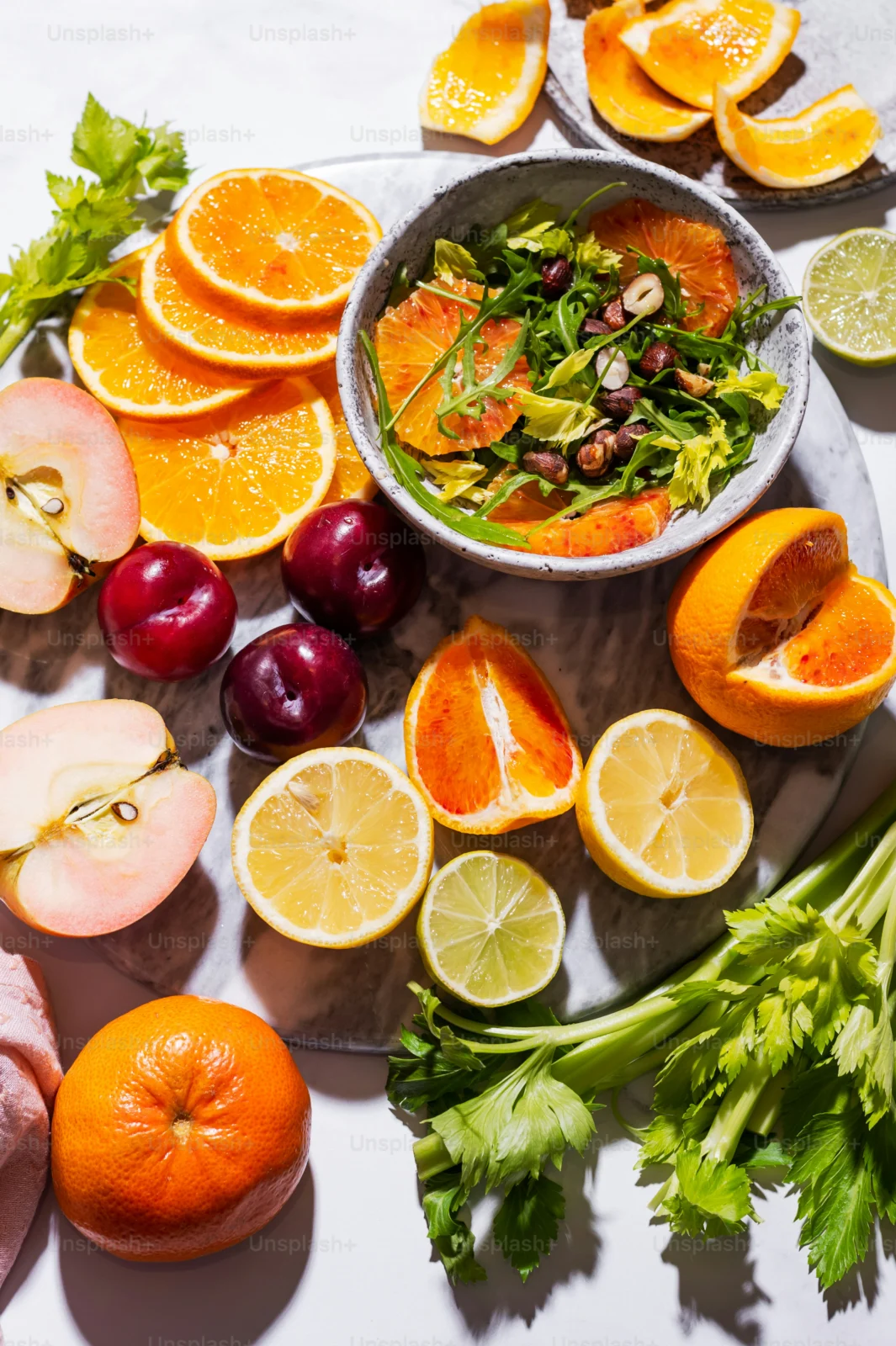
What Makes a Food a “Superfood” in the First Place?
A useful superfood is a nutrient-rich whole food that earns a regular place in your diet without needing miracle claims attached to it.
That distinction matters because “superfood” has no scientific or regulated definition, according to Harvard T.H. Chan School of Public Health’s Nutrition Source overview of superfoods. The label is mostly a marketing term applied to foods associated with desirable nutrients or potential health benefits. Harvard also cautions against treating individual foods as disease-fighting magic bullets. That distinction also helps you spot common nutrition myths behind food marketing before they shape your shopping list.
That is the first filter I would use when building a balanced meal plan: Would I still recommend this food if nobody were allowed to call it “super”?
If the answer is yes because it supplies fiber, protein, unsaturated fats, vitamins, minerals, or useful plant compounds—and it fits easily into normal meals—it deserves attention.
If its main selling points are exotic origins, powdered form, celebrity endorsements, or a price tag several times higher than an ordinary alternative, I become more skeptical.
Here is the part many superfoods lists miss: variety beats prestige. Harvard’s Nutrition Source notes that no single fruit or vegetable provides everything the body needs and recommends eating a variety of types and colors. That makes a rotating mix of affordable foods more useful than obsessing over one “perfect” ingredient. The most useful evidence-informed wellness facts usually point toward dietary variety instead of one headline-grabbing ingredient.
This is also why learning how to read nutrition labels can save you from buying a product whose health halo is stronger than its ingredient list.
💡 Key Takeaway: “Superfood” is not a scientific category. Look for nutrient density, affordability, versatility, and a food you will actually eat regularly—not the most impressive marketing story.
What Are the 8 Superfoods Worth Eating Regularly?
Eight foods stand out because they combine strong nutritional value with something trendier choices often lack: practicality.
My shortlist is berries, leafy greens, beans and lentils, oats, nuts and seeds, salmon or other oily fish, plain yogurt or kefir, and eggs.
Notice what is missing: rare powders, imported berries, expensive juices, and ingredients you have to search three stores to find.
A common nutrition-coaching scenario goes something like this. Someone arrives convinced their diet needs a major overhaul and starts describing chia drinks, supplements, green powders, and a refrigerator full of foods they do not particularly enjoy. Then we look at the basics: very few vegetables, almost no beans, inconsistent breakfasts, and not much fiber. Once everyday foods become the foundation, eating well usually feels much less complicated.
What nobody tells you is that a boring superfood you eat three times a week is more useful than an exotic one you buy once, dislike, and leave in the pantry.
That philosophy also fits the broader evidence. A USDA systematic review found strong evidence that dietary patterns higher in vegetables, fruits, whole grains, legumes, nuts, and fish or seafood are associated with a lower risk of type 2 diabetes. The important word is patterns—not one miracle ingredient.
If you want to make those patterns easier to maintain, simple routines such as Sunday meal prep can matter more than chasing the newest food trend.
1. Berries: Big Nutrition in a Small, Easy-to-Eat Package
Berries earn their place because they make fruit easy to eat regularly while supplying fiber and a range of naturally occurring plant compounds. When considering the health effects of nutrient-rich foods, remember that benefits are associated with overall eating habits rather than a single serving.
Blueberries, strawberries, raspberries, and blackberries all work. There is no need to crown one variety the winner.
Harvard’s Nutrition Source identifies berries among foods containing phenolic compounds such as anthocyanins and other substances with antioxidant activity. It also makes an important distinction: observational research links diets rich in antioxidant-containing fruits, vegetables, and legumes with better health outcomes, but that does not mean an isolated antioxidant—or one specific berry—deserves all the credit.
That is why I am just as happy recommending frozen unsweetened blueberries as an expensive fresh berry marketed as rare or exotic. Frozen fruit is also included among Harvard’s suggestions for nutritious foods when eating well on a budget.
Try berries stirred into oatmeal, added to plain yogurt, blended into a smoothie, or eaten with a small handful of nuts. Those combinations are far more useful than treating berries like medicine.
2. Leafy Greens: The Everyday Superfood Most People Underestimate
Leafy greens are worth prioritizing because they pack useful nutrients into foods that can fit almost anywhere—from soups and omelets to salads and grain bowls. Their vitamins and minerals also contribute to normal body functions, including nutritional support for immune health, without making greens a substitute for medical care.
Spinach, kale, collards, Swiss chard, romaine, and bok choy all count. Choosing the one you actually enjoy is more important than picking whichever variety currently has the strongest health reputation.
Harvard’s guidance on fruits and vegetables specifically encourages regular variety and includes dark green leafy vegetables among the categories worth eating often. In the MIND dietary pattern, green leafy vegetables are recommended at least six times per week—a useful example of how frequently greens can appear in a food-first eating pattern, though that number is specific to the MIND diet rather than a universal prescription.
Greens also contribute fiber. Harvard’s fiber guidance lists leafy vegetables such as kale among sources of insoluble fiber, which helps move material through the digestive tract.
One practical trick is to stop thinking of greens only as salad. Toss frozen spinach into soup, add chopped kale to beans, or wilt greens beside eggs. That makes healthy eating habits easier to repeat without needing a separate “health meal.”
3. Beans and Lentils: Affordable Nutrition That Beats Trendier Foods
Beans and lentils may be the least glamorous foods on this list—and among the most useful.
Pulses are the edible seeds of legume plants and include beans, lentils, and peas. Harvard describes them as inexpensive sources of protein, vitamins, complex carbohydrates, and fiber.
That combination is exactly why I rank them above many premium “superfood” products. Black beans, chickpeas, kidney beans, split peas, and lentils can turn vegetables and whole grains into a filling meal without requiring a specialty-store budget. Beans also make it easier to build a flexible plant-forward dietary pattern without depending on costly specialty proteins.
Harvard also notes that legumes are emphasized in established eating plans and dietary guidance. Better yet, canned beans make the habit realistic on a Wednesday night when nobody feels like soaking anything for eight hours.
If canned beans tend to bother your stomach, start with smaller portions and increase them gradually rather than deciding beans “do not work” for you. How well a food fits your digestion matters, which is why a sustainable plant-based eating transition should be gradual rather than all-or-nothing. A gradual increase in fiber, alongside sufficient fluids, can make digestive and gut health habits easier to maintain.
That is a recurring theme with the best superfoods: they do not need to be rare, expensive, or perfect. They need to make a better eating pattern easier to repeat.
The first three picks make the pattern clear: foods do not need a wellness aisle, an exotic name, or a premium price to earn a place on a superfoods list.
4. Oats: A Simple Whole Grain With More Going for It Than the Hype Foods
Oats are a whole grain that provides fiber, including a soluble fiber called beta-glucan. They are a straightforward example of why whole and minimally processed foods deserve a place in everyday meals.
That matters because soluble fiber can slow digestion and contribute to healthier cholesterol levels. Harvard T.H. Chan School of Public Health includes oats among whole-grain choices and recommends making whole grains part of a healthy eating pattern.
Steel-cut, rolled, and plain quick oats can all fit. The bigger issue is what comes with them. A bowl of oats topped with berries, walnuts, and plain yogurt is quite different from an instant packet dominated by added sugar.
This is where spotting hidden sugars on nutrition labels pays off. You do not need the fanciest oats on the shelf; you need a version you will eat consistently without turning breakfast into dessert.
5. Nuts and Seeds: Small Portions, Useful Fats, Fiber, and Staying Power
Nuts and seeds are concentrated sources of plant protein, fiber, and unsaturated fats.
Almonds, walnuts, pistachios, peanuts, chia seeds, flaxseed, pumpkin seeds, and sunflower seeds all have something to offer. Harvard’s Nutrition Source specifically includes nuts among healthy protein choices and notes that nuts and seeds can provide plant protein and healthy fats.
The catch is portion size. A small handful works well; eating straight from a family-size bag while distracted can turn into several servings quickly.
Try walnuts over oatmeal, chia seeds stirred into yogurt, pumpkin seeds on salad, or natural peanut butter on whole-grain toast. Those small additions can make meals more satisfying without requiring a separate “superfood” recipe.
6. Salmon and Other Oily Fish: When Omega-3s Make the Splurge Worth It
Oily fish such as salmon, sardines, trout, and herring provide protein along with omega-3 fatty acids. If you are exploring an anti-inflammatory eating pattern, oily fish can be one component alongside vegetables, fruit, legumes, and whole grains.
Harvard’s Healthy Eating Pyramid recommends fish as one of the healthier protein choices to put in the shopping cart regularly.
Fresh wild salmon can be expensive, though, and this is where food advice sometimes becomes unrealistic. Canned salmon, canned sardines, and frozen fish can offer a more practical route. Harvard’s processed-food guidance also recognizes fresh, frozen, and canned fish as useful options depending on how they are prepared.
If seafood is not part of your diet, you do not need to force it simply because it appears on a best superfoods list. Build your meals around other protein sources and plant foods that suit your preferences.
7. Plain Yogurt or Kefir: A Practical Superfood for Protein and Fermented Foods
Plain yogurt and kefir can be useful sources of protein and fermented dairy cultures. Fermented foods can be part of conversations about the gut microbiome and dietary diversity, although not every yogurt provides the same cultures.
Harvard’s yogurt guide lists protein, calcium, phosphorus, riboflavin, and vitamin B12 among the nutrients supplied by animal-based yogurt. Fermentation also breaks down some lactose, so some people with lactose intolerance may tolerate yogurt better than other dairy foods.
Plain is the key word here. Sweetened yogurts can contain enough added sugar to move them closer to dessert territory. Read the label, then add your own berries, cinnamon, nuts, or a small amount of fruit if plain yogurt tastes too tart.
For people who do not eat dairy, a plant-based yogurt can still be useful, but protein and nutrient content vary widely between products. Check the label rather than assuming every tub is nutritionally equivalent.
8. Eggs: Is Egg a Superfood—or Just a Very Good Everyday Food?
Eggs are a convenient source of protein and several nutrients, but calling them a miracle food goes too far.
Harvard’s review places eggs somewhere in the middle when comparing food choices for heart health. Eggs can be a better option than sugary refined-grain breakfasts, but a breakfast built around oats, nuts, and berries may be more favorable for heart health.
That nuance is useful. An egg does not need to be either a “perfect food” or something to fear.
Scrambled eggs with spinach, a boiled egg with fruit, or an egg added to a grain-and-vegetable bowl can be practical choices. If you have diabetes, heart disease, or individualized dietary restrictions, egg intake is one of those areas where your personal medical guidance matters more than a generic superfoods chart.

What Are the 3 Most Important Superfoods if Your Budget Is Limited?
If I had to narrow this list to three budget-friendly staples, I would choose beans or lentils, oats, and a rotating mix of vegetables or fruit such as frozen berries or leafy greens.
Why those three? They cover a lot of nutritional ground without depending on premium branding, and they can become the base of dozens of meals.
| Budget Pick | What It Brings | Easy Use | Money-Saving Move |
|---|---|---|---|
| Beans or lentils | Plant protein + fiber | Soups, bowls, salads, tacos | Buy dried or store-brand canned |
| Oats | Whole-grain carbohydrate + fiber | Breakfast, baking, savory bowls | Buy large plain containers |
| Frozen berries or leafy greens | Vitamins, minerals + plant compounds | Oatmeal, smoothies, soups, eggs | Choose frozen when fresh is costly |
What nobody tells you is that budget foods often lose the superfood popularity contest precisely because they are inexpensive and familiar. Beans do not need a dramatic origin story. Oats do not come in jewel-colored bottles. Frozen spinach rarely gets an influencer campaign.
Yet a diet built around foods like these closely resembles the broad eating pattern Harvard recommends: plenty of vegetables and fruits, whole grains, beans, nuts, and other healthy protein sources.
That is also why sustainable eating habits matter more than buying the “best” ingredient once.
3 Overhyped Superfoods I Wouldn’t Spend Extra Money On
Some overhyped superfoods are perfectly nutritious. The problem is paying a premium for benefits you can get from ordinary foods.
| Overhyped Pick | Why It Gets Attention | What Gives Me Pause | Practical Alternative |
| Coconut oil | “Natural” wellness image | High in saturated fat; not a health cure-all | Olive or other unsaturated plant oils |
| Goji berries | Exotic antioxidant reputation | Pricey; ordinary berries also provide useful plant compounds | Frozen blueberries or strawberries |
| Greens powders | Convenient “nutrition in a scoop” promise | Cannot reproduce the full experience of eating varied whole foods | Vegetables, fruit, beans, nuts, whole grains |
1. Coconut Oil: Useful in the Kitchen, but Not the Health Miracle It Was Sold As
Coconut oil can be used for flavor and cooking, but its wellness reputation has often outrun the evidence.
Use it because you like what it does in a recipe—not because a spoonful is supposed to transform your metabolism. For everyday cooking, an unsaturated plant oil is often a more sensible default.
2. Goji Berries: Nutritious, Yes—But You Don’t Need the Premium Price
Goji berries contain nutrients and plant compounds, but so do many less expensive fruits.
Harvard’s overview of the superfood phenomenon even lists goji among foods commonly marketed under the label while warning that concentrating too much attention on a few celebrated foods can distract from equally nutritious choices.
If you enjoy goji berries and the price does not bother you, eat them. If you are buying them because you believe ordinary blueberries cannot compete, keep your money.
3. Superfood Powders and Greens Blends: Convenience Isn’t the Same as Better Nutrition
A greens powder may be convenient, but convenience should not be confused with superiority.
Whole vegetables, fruits, beans, grains, nuts, and seeds bring combinations of fiber, water, nutrients, texture, and satisfaction that a scoop cannot perfectly recreate. Harvard’s broader guidance is to focus on an overall healthy eating pattern rather than a few “magic-bullet” superfoods.
A powder may fit an occasional practical need. It should not become permission to neglect actual produce.
What Are the Three Foods You Should Eat Every Day?
There are no three foods every healthy person must eat daily. A better goal is to include produce, a fiber-rich whole food, and a satisfying protein or healthy-fat source most days. Remember that a balanced routine also includes consistent everyday hydration, not just food choices.
Here is a simple way to do that:
- Pick one fruit or vegetable with deep color. Berries, greens, peppers, carrots, tomatoes, squash, or whatever is affordable and appealing.
- Add a fiber-rich whole food. Choose oats, beans, lentils, another whole grain, or a high-fiber vegetable.
- Choose a protein or healthy-fat source that fits the meal. Nuts, seeds, beans, yogurt, eggs, fish, tofu, or another suitable option all work.
You can turn that formula into oatmeal with berries and walnuts, lentil soup with vegetables, yogurt with fruit and seeds, or eggs with greens and whole-grain toast. Pair those meals with drinks you enjoy without excess added sugar, and adjust your daily water intake to your needs and circumstances.
If consistency is the hard part, mindful eating and basic meal-prep habits may do more for you than another list of foods to buy.
💡 Key Takeaway: You do not need three mandatory foods every day. Build repeatable meals around varied produce, fiber-rich whole foods, and satisfying protein or healthy fats.
Do You Need a Top 10 Superfoods List—or Just a Better Eating Pattern?
You need the eating pattern more than you need a top 10 list.
Harvard puts the point plainly in its superfoods guidance: focus on a “super plate,” not just superfoods. The risk of the label is that people may fixate on a handful of celebrated ingredients while overlooking equally nutritious foods.
Use this list as a shopping shortcut, not a set of commandments. Rotate foods. Buy what is in season. Use frozen and canned options when they make life easier. Match choices to your budget, culture, digestion, medical needs, and preferences. A simple weekly nutrition routine can help you repeat those choices without making every day identical.
That is the kind of personalized approach to nutrition that tends to survive beyond Monday morning.
Superfoods Chart: What Each Pick Brings to Your Plate
| Food | Main Practical Strength | Easy Way to Eat It |
| Berries | Fiber + varied plant compounds | Oatmeal or yogurt |
| Leafy greens | Nutrient-dense vegetables | Soups, eggs, bowls |
| Beans/lentils | Fiber + plant protein | Chili, salads, tacos |
| Oats | Whole-grain fiber | Breakfast or baking |
| Nuts/seeds | Unsaturated fats + plant protein | Snacks or toppings |
| Oily fish | Protein + omega-3 fats | Baked, canned, or grilled |
| Plain yogurt/kefir | Protein + fermented cultures | Breakfast or snack |
| Eggs | Convenient protein | Breakfast, bowls, salads |
FAQ: Common Questions About the Best Superfoods
What are the 3 most important superfoods?
There is no official top three, but beans or lentils, oats, and varied fruits or vegetables are strong practical choices because they are nutrient-rich, versatile, and relatively affordable.
What are the 8 superfoods?
A useful eight-food list includes berries, leafy greens, beans and lentils, oats, nuts and seeds, oily fish, plain yogurt or kefir, and eggs. They work best as part of a varied eating pattern rather than as stand-alone health fixes.
What are the three foods you should eat every day?
No three foods are mandatory. Aim instead to get some produce, a fiber-rich whole food, and a protein or healthy-fat source into your day. Variety across the week matters more than repeating exactly the same foods daily.
What are top 10 superfoods to eat every day?
There is no scientifically established top 10. Foods such as berries, greens, beans, oats, nuts, seeds, fish, yogurt, eggs, and other colorful vegetables can all fit, but eating all ten every day is unnecessary.
Is egg a superfood?
Eggs are nutritious and convenient, but “superfood” is a marketing label rather than a scientific category. Harvard describes eggs as a middle-ground choice for heart health: better than some refined breakfast foods, but not necessarily superior to whole grains, nuts, berries, and plant proteins.
The Bottom Line: Buy Foods for What They Do, Not for the “Superfood” Label
The best superfoods are usually the foods you can afford, enjoy, prepare easily, and keep eating: berries, greens, beans, oats, nuts, fish, yogurt, eggs, and plenty of other ordinary whole foods. For broader health and everyday wellness topics, the same principle applies: sustainable basics usually matter more than short-lived trends.
Spend less energy hunting for nutritional celebrities and more energy building a plate you can repeat. If a trendy food fits your budget and you enjoy it, great. If not, you are not missing a secret ingredient.
A healthy diet is built from patterns, not trophies—and that is good news for both your grocery budget and your sanity.

Certified Health Coach (CHC) and Certified Wellness Coach (CWC) through the National Wellness Institute. Tai Chi and Qigong certified facilitator with 12 years of holistic health practice and nutrition coaching.

I like that this focuses on normal foods instead of expensive trendy stuff. Frozen berries and oats are already staples at my house 😄
Does canned salmon give you pretty much the same omega-3 benefits as fresh salmon? 🤔
Been adding lentils to soups lately and they make the meal way more filling. Cheap too, which is a nice bonus 🙌
The coconut oil part surprised me 😮 I used to think it was automatically healthier than every other cooking oil.
Plain yogurt with frozen blueberries and walnuts has become my lazy breakfast lol 😅 Tastes better than most flavored yogurt anyway.
I started paying more attention to how to read nutrition labels and it’s wild how much sugar gets added to foods that look healthy on the front. 👍
Are greens powders really not worth it if someone barely eats vegetables during the week? 👀
One thing that helped me was keeping canned beans and frozen berries around all the time. They don’t go bad fast, so I actually use them instead of tossing forgotten produce 😎👌
I like the point that there really isn’t one magic food. Harvard’s Nutrition Source overview of superfoods makes a similar point that the term itself isn’t a scientific category and that overall eating patterns matter more. That makes the ordinary foods on this list feel a lot more practical than chasing whatever powder is trending. Interesting read. 🙂
Goji berries were one of those things I bought once because the package made them sound amazing 😂 Frozen blueberries are way cheaper and honestly easier to use.