
Karen Kissinger Coaching — plant-based eating can sound simple until dinner rolls around and the meal you have loved for 20 years suddenly feels “off-limits.” In nutrition coaching, I’ve found that this is where many well-meaning plans fall apart: people remove the burger, chicken, cheese, or eggs before they have built a meal that is equally filling, familiar, and enjoyable. A better transition starts with abundance—more beans, vegetables, whole grains, fruit, nuts, seeds, herbs, sauces, and satisfying textures—rather than a running list of foods you are no longer “allowed” to eat.
⚡ Quick Answer
Plant-based eating means making plant foods the foundation of your meals, not necessarily giving up every animal food overnight. A practical starting point is one plant-forward meal per day, built around vegetables, whole grains, beans or another protein-rich food, and healthy fat. Gradual changes are often easier to sustain than an all-or-nothing switch.
What Does Plant-Based Eating Actually Mean?
Plant-based eating means putting foods from plants at the center of your eating pattern while choosing how much, if any, animal food still fits your life. Explore the principles behind a plant-centered dietary approach without assuming every person needs identical rules. It is a direction, not one universally agreed-upon rulebook.
That distinction matters. Someone may eat mostly lentils, vegetables, oats, fruit, tofu, whole grains, nuts, and seeds while still having salmon once a week or yogurt at breakfast. Another person may avoid all animal foods. Both may describe themselves as eating plant-based, although the second pattern would also qualify as vegan if it extends to all animal-derived foods.
This flexibility is one reason I prefer talking about what you are building on the plate instead of starting with labels. The broader goal is to support everyday health and well-being with food choices that are practical for your circumstances.
The Harvard T.H. Chan School of Public Health’s Healthy Eating Plate offers a useful structure: roughly half the plate is vegetables and fruits, one quarter is whole grains, and one quarter is healthy protein. Harvard specifically includes beans and nuts among its protein options and stresses food quality rather than treating “low-fat” as automatically healthy.
That model works well for beginners because you can shift the protein section gradually rather than rebuilding your entire diet on Monday morning.
A familiar taco bowl, for example, can move from ground beef as the main event to a mixture of black beans, corn, roasted peppers, brown rice, salsa, avocado, and a smaller amount of meat at first. A few weeks later, you may find the beans and toppings do enough of the heavy lifting that you no longer miss the larger meat portion.
💡 Key Takeaway: Plant-based eating does not have to begin with restriction. Start by making plants more prominent, then decide whether reducing animal foods further actually works for your body, preferences, and lifestyle.
Plant-Based vs. Vegan: You Don’t Have to Make It All-or-Nothing
A plant-based diet and a vegan diet can overlap, but they are not automatically the same thing.
Veganism excludes animal-derived foods and commonly extends beyond diet into other consumer choices. “Plant-based,” in everyday nutrition use, is often broader. It may describe anything from a completely vegan diet to a mostly plant-centered way of eating with occasional animal foods.
That difference can remove a lot of unnecessary pressure for someone who currently eats meat every day.
I once watched this pattern repeat in coaching conversations: someone would decide Sunday night that Monday meant “no meat, no dairy, no exceptions.” By Wednesday, lunch was a plain salad, dinner was crackers and hummus, and they were hungry enough to order their usual takeout by 9 p.m. The problem was not a lack of discipline. The new meals simply were not doing the job of the old ones.
That is why building sustainable eating habits matters more than collecting dietary rules you resent. It also helps to question common nutrition myths about all-or-nothing diets before deciding what change is right for you.
What Is the Best Way to Gradually Transition to a Plant-Based Diet?
The best gradual transition is to replace meals one at a time while keeping enough protein, calories, flavor, and convenience in the meals you already enjoy.
Start with the easiest meal, not the one you are most emotionally attached to.
If Saturday steak night is part of your family ritual, do not make that your first battle. Breakfast may be much easier: oatmeal with soy milk, walnuts, berries, and chia seeds instead of bacon and eggs. Lunch might shift next through lentil soup, a hummus wrap, or a bean-and-grain bowl.
Harvard’s Nutrition Source recommends hearty, savory plant preparations for people cutting back on red meat, including the use of umami-rich ingredients to keep meals flavorful and satisfying. It also points out that reducing meat does not require removing animal foods completely.
This is the part many “30-day challenge” plans miss: satiety is part of adherence.
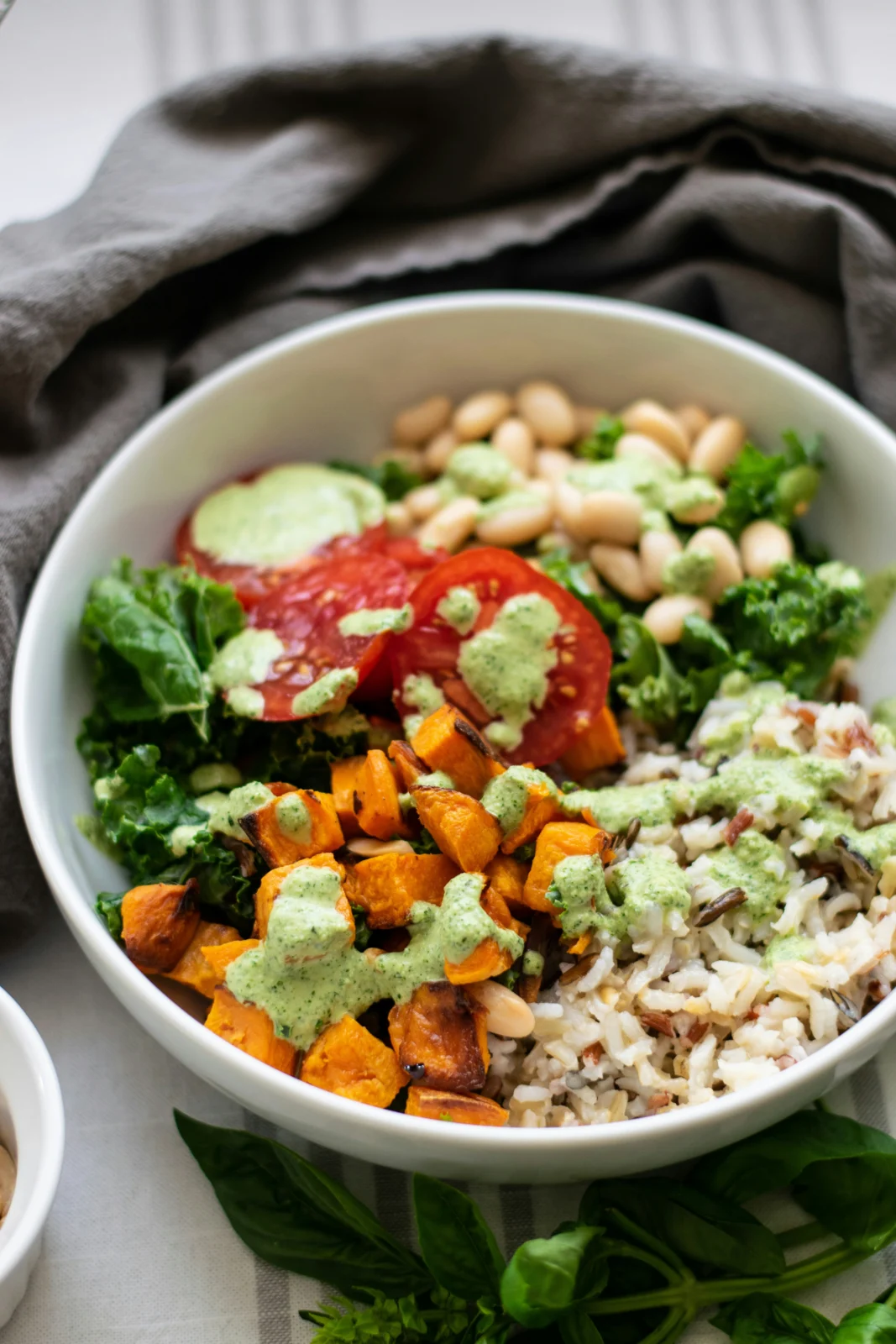
Vegetables are wonderful, but a bowl of lettuce, cucumber, and tomatoes is not a nutritional substitute for a 700-calorie dinner simply because both technically count as meals. Pair vegetables with foods that bring staying power—lentils, chickpeas, tofu, tempeh, edamame, whole grains, nuts, seeds, avocado, or other satisfying fats.
For more structure, the healthy eating and nutrition habits approach is more useful than thinking in terms of foods being “good” or “bad.”
Start by Adding Plant Foods Before You Start Removing Meat
My favorite first-week rule is simple: add before you subtract.
Before reducing the chicken in your stir-fry, double the vegetables and add edamame. Before shrinking the beef portion in chili, add black beans and kidney beans. Before removing cheese from a sandwich, experiment with avocado, hummus, roasted peppers, or a flavorful spread that gives the meal moisture and richness.
This works because the plate does not suddenly look empty.
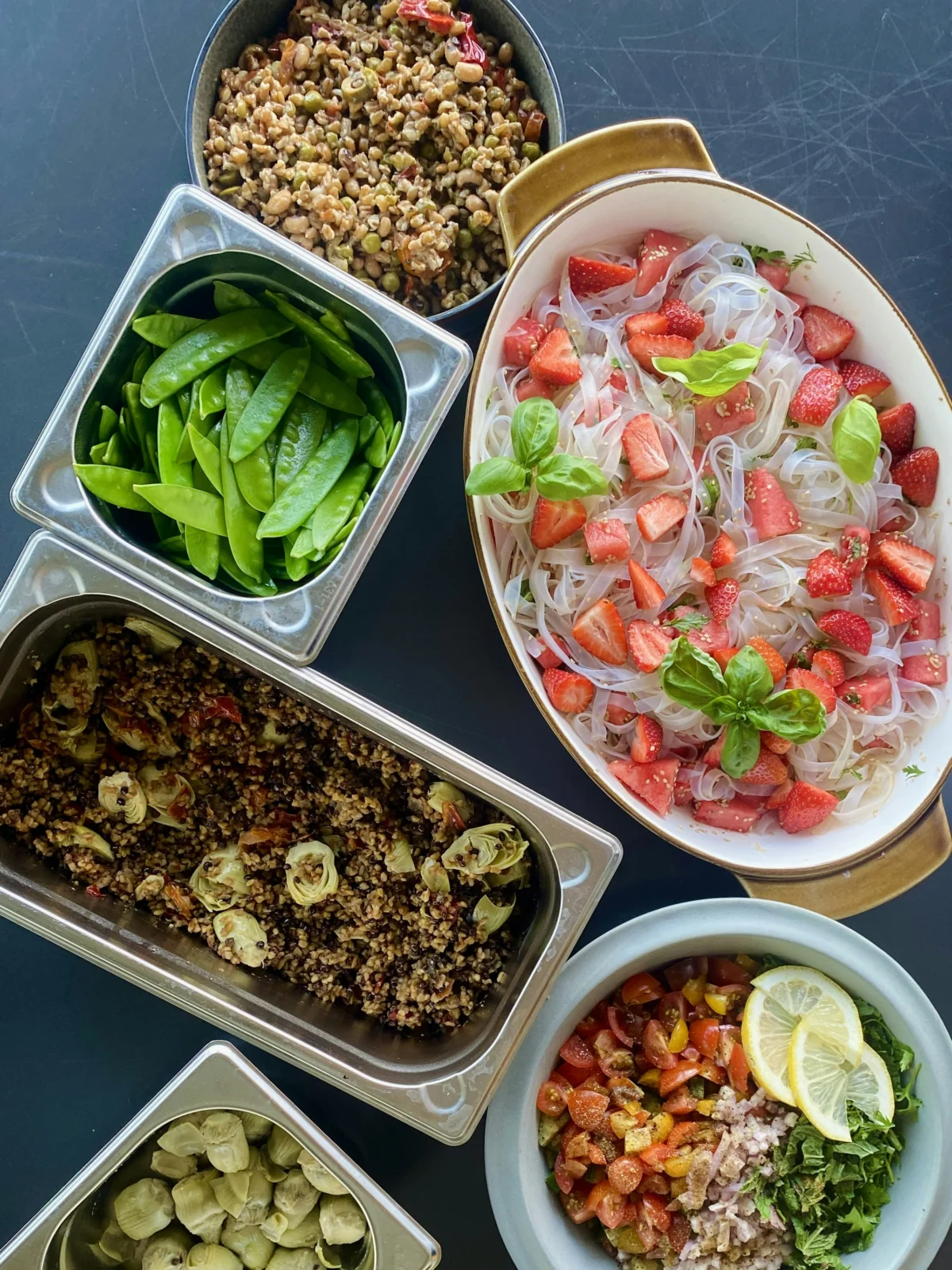
It also makes grocery shopping easier. A beginner does not need 14 specialty products. Keeping minimally processed whole-food staples available is often more helpful than buying a shelf of expensive substitutes. Start with several dependable staples: canned beans, lentils, oats, brown rice or quinoa, frozen vegetables, fruit, nuts or seeds, tofu or tempeh, and one or two sauces you genuinely like.
Meal prepping on Sundays can make this shift much easier. Cook one grain, prepare one protein, wash or roast vegetables, and make a sauce. Those four pieces can become bowls, wraps, salads, tacos, or quick dinners without requiring a new recipe every night.
Use a 3-Stage Transition Instead of Changing Everything Overnight
A three-stage transition gives your appetite, cooking habits, grocery routine, and taste preferences time to catch up. Think of it as a flexible weekly nutrition routine, not a rigid deadline.
- Stage 1 — Add: Keep your usual meals but add more vegetables, beans, whole grains, fruit, nuts, seeds, and plant proteins.
- Stage 2 — Replace: Choose three to five familiar meals and swap some or all of the animal protein for beans, lentils, tofu, tempeh, or another plant option.
- Stage 3 — Personalize: After several weeks, decide which animal foods you still want, which you no longer miss, and which plant-based meals have earned a permanent spot in your routine.
Colorado State University Extension notes that varied plant foods can supply adequate protein when energy intake is sufficient, while nutrients such as vitamin B12, iron, calcium, vitamin D, iodine, zinc, and omega-3 fats may need more attention depending on how restrictive the eating pattern becomes.
What nobody tells you is that the goal is not to become good at resisting your favorite foods. The goal is to build new meals that compete with them.
If your new dinner leaves you prowling the kitchen an hour later, do not interpret that as a character flaw. Fix the dinner. Add beans, tofu, grains, potatoes, nuts, seeds, avocado, or another substantial food. If cravings are tangled up with stress or habit rather than hunger, mindful eating strategies can help you tell the difference.
A plant-based transition works best when your meals become more satisfying, not when your willpower becomes more exhausted.
Once you have stopped treating plant-based eating as an exercise in subtraction, the next question becomes much more practical: what actually belongs on the plate so you feel well-fed and get what you need?
How Do You Eat a Balanced Plant-Based Diet?
A balanced plant-based meal needs a substantial protein source, produce, a carbohydrate-rich whole food, and enough fat or flavor to make the meal satisfying.
An easy formula is:
- Protein: beans, lentils, tofu, tempeh, edamame, peas, nuts, or seeds
- Produce: vegetables and/or fruit
- Carbohydrate: oats, potatoes, brown rice, quinoa, whole-grain bread, or another grain
- Fat and flavor: avocado, tahini, nuts, seeds, olive oil, herbs, salsa, or sauce
Harvard Health recommends variety across plant proteins, whole grains, fruits, vegetables, nuts, seeds, and healthy fats rather than relying on one narrow set of foods. A varied diet also supplies the fiber that helps nourish your gut microbiome; if you increase beans and whole grains quickly, smaller portions at first may be easier to tolerate.
This is also why a balanced meal plan without calorie counting can be more useful than obsessing over whether every individual food is “perfect.”
As you introduce more legumes and high-fiber grains, pay attention to digestive comfort and gut health. Increasing fiber gradually, rather than doubling it overnight, may make the transition easier on your digestive system.
That adjustment works best alongside steady hydration throughout the day. Your precise daily water needs vary with activity, climate, and health, so use thirst and your individual circumstances as guides instead of following a universal number.
What Nutrients Are You Missing on a Plant-Based Diet?
A well-planned plant-based diet can cover many nutrient needs, but the more animal foods you remove, the more deliberate you need to be about vitamin B12, iron, calcium, vitamin D, iodine, omega-3 fats, zinc, and sometimes protein.
Vitamin B12 deserves special attention. The National Institutes of Health states that plant foods do not naturally contain vitamin B12, although fortified cereals and nutritional yeast can provide it. People eating little or no animal food may therefore need fortified foods or supplementation.
Iron also needs context. Plant foods such as lentils, beans, nuts, and fortified grains contain iron, but the body absorbs plant-based nonheme iron less efficiently than heme iron from animal foods. NIH notes that vegetarians who eat no meat, poultry, or seafood may need substantially more dietary iron because of this difference in absorption.
Pairing an iron-rich meal with vitamin C-rich foods—think lentils with tomatoes or beans with bell peppers—is a smart habit. Nutrient adequacy also matters for normal immune system function, but no single plant food can guarantee stronger immunity.
If you are pregnant, older, have digestive or absorption issues, take medications that affect nutrient status, or are moving toward a fully vegan diet, this is one place where individualized advice from a registered dietitian or healthcare professional is worth it.
What Are Common Mistakes on a Plant-Based Diet?
The most common mistake is replacing animal foods without replacing what those foods contributed to the meal.
A chicken dinner becomes steamed vegetables. Eggs become fruit. A turkey sandwich becomes lettuce and tomato. Then people wonder why they are hungry at 3 p.m.
The second mistake is assuming the words “plant-based” automatically mean nutritious. French fries, sugary cereal, cookies, refined breads, and many snack foods can all be made without animal ingredients. Harvard Health notes that healthier plant-centered patterns emphasize whole and minimally processed foods rather than simply avoiding animal products.
A third mistake is buying a kitchen full of expensive specialty products before learning how to cook five dependable meals. Another is believing that a product labeled superfood can make up for a diet lacking variety.
Start with ordinary food. Beans are ordinary. Potatoes are ordinary. Oatmeal is ordinary. Reading nutrition labels becomes especially helpful when comparing packaged meat substitutes, plant milks, cereals, sauces, and convenience foods.
How Do You Stop Feeling Deprived When Eating More Plant-Based Foods?
You stop feeling deprived by preserving the sensory parts of a meal you actually crave: saltiness, richness, crispness, chew, warmth, spice, and familiarity.
This is where many healthy-eating plans become unnecessarily joyless. People think they miss “meat,” when sometimes what they miss is a browned surface, smoky seasoning, melted richness, or a filling bite.
Want tacos? Make tacos. Want chili? Make chili. Want a burger night? Keep burger night.
Change the ingredients without erasing the experience. Beans, vegetables, nuts, and olive oil can also fit an inflammation-conscious eating pattern, although the overall diet matters more than any one ingredient.
Meal prep helps here because hunger is rarely the moment when anyone wants to invent a new way of eating from scratch.
💡 Key Takeaway: A sustainable plant-based diet should give you satisfying replacements, not constant reminders of what you removed.
Plant-Based Diet Pros and Cons: What Changes in Real Life?
For most curious meat eaters, a flexible plant-forward approach wins as the starting strategy because it delivers more plant foods without demanding an immediate identity change.
| Real-Life Factor | Gradual Plant-Forward Approach | Strict Vegan Approach |
|---|---|---|
| Animal foods | Reduced gradually; may still appear | Eliminated |
| First-week learning curve | Change 1–2 meals at a time | Labels, meals, restaurants, and staples change at once |
| B12 planning | Depends on remaining animal-food intake | Fortified foods/supplement planning becomes especially important |
| Social meals | Usually easier to adapt | More advance planning may be needed |
| Familiar recipes | Meat portion can shrink gradually | Recipes need complete animal-food substitutions |
| Best fit | Beginners wanting sustainable change | People ready and motivated for full avoidance |
| Main risk | Changes may stay too small without intention | Restriction without meal planning can create nutritional or satisfaction gaps |
If you currently eat meat every day, I would start with the gradual column. It gives you time to learn which meals actually work before removing foods you have depended on for years.
The strict approach can be the better choice when avoiding animal foods is tied to deeply held ethical or personal values and you are ready to plan your nutrition accordingly. There is no prize for choosing the harder path when the more flexible path is the one you can live with.
A Simple 4-Week Plant-Based Transition Plan for Meat Eaters
The easiest four-week plan changes your default meals progressively rather than asking you to overhaul every breakfast, lunch, snack, and dinner at once.
- Week 1: Make one meal each day plant-forward. Choose your easiest meal and repeat a few dependable options.
- Week 2: Replace two familiar meat-based meals. Try bean tacos, lentil chili, tofu stir-fry, or pasta with white beans and vegetables.
- Week 3: Build a repeatable grocery rotation. Keep two plant proteins, two grains or potatoes, several vegetables, fruit, and your favorite sauces on hand.
- Week 4: Decide what you want to keep. Notice which meals satisfy you, which substitutions you dislike, and how much animal food realistically fits your long-term approach.
Use a weekly review rather than judging yourself meal by meal. Behavior change gets easier when you look for patterns instead of turning one cheeseburger into evidence that the whole plan failed.
That same principle sits at the heart of sustainable eating habits: adjust the system when it is not working instead of demanding more willpower.
Does Plant-Based Eating Have to Be Low-Fat or Whole-Food-Only?
No. Plant-based eating does not require you to avoid fat, processed food, restaurant meals, or every animal product unless that is the specific pattern you choose.
Nuts, seeds, avocado, and plant oils can make meals more satisfying. Packaged foods can also be practical tools. There is no need to overstate the health effects of individual ingredients; consider portion sizes and your total eating pattern instead.
The useful question is not, “Is this food perfectly whole?” It is, “What does my overall pattern look like?” Just as importantly, evidence-based wellness facts are more reliable than strict rules borrowed from social media.
If 80 percent of your choices are nourishing and the rest make your life easier or more enjoyable, that may be far more workable than a rigid standard you abandon in three weeks.
When a Strict Plant-Based Diet May Not Be the Best Starting Point
A strict approach may need more professional guidance if you have increased nutrient needs, food allergies, gastrointestinal limitations, a history of highly restrictive eating, or medical conditions that affect what you can tolerate or absorb.
Plant-based does not automatically mean appropriate for every person in exactly the same form.
For someone managing multiple dietary restrictions, removing another large category of foods can make adequate intake harder. In that situation, personalized wellness coaching or guidance from a registered dietitian can help build an approach around the person rather than forcing the person into the diet.
Frequently Asked Questions
Do I Have to Give Up Meat Completely to Eat Plant-Based?
Short answer: no. But here’s the nuance: plant-based eating describes an emphasis on plants, and people apply that emphasis differently. You can begin by eating more beans, vegetables, grains, fruit, nuts, and seeds while reducing meat gradually. A flexible approach is often a much easier starting point for lifelong meat eaters.
What Is the Best Way to Gradually Transition to a Plant-Based Diet?
Start with one plant-forward meal per day for a week instead of changing everything at once. Then replace two or three familiar meat-centered meals with versions you actually enjoy. Keep tracking hunger, convenience, cost, and taste. If the meals leave you hungry, improve the meals before cutting more foods.
What Are Common Mistakes on a Plant-Based Diet?
Great question — and most people focus too much on what to remove. Common problems include eating too little, forgetting a meaningful protein source, relying heavily on highly processed substitutes, and making meals so unfamiliar that cooking becomes a chore. Build a handful of repeatable meals first.
What Nutrients Are You Missing on a Plant-Based Diet?
It depends on how restrictive your diet is. Vitamin B12 becomes especially important when you eliminate animal foods because naturally occurring B12 is found in animal-derived foods, while some plant foods are fortified. Iron, vitamin D, calcium, iodine, zinc, omega-3 fats, and protein may also deserve attention depending on your food choices and individual needs.
How Do I Stay Full on a Plant-Based Diet?
Build the meal around more than vegetables. Include a protein-rich food such as lentils, beans, tofu, tempeh, or edamame, then add a substantial carbohydrate such as potatoes or whole grains and a source of fat or flavorful sauce. If you are hungry again an hour after dinner, treat that as useful feedback—not a test of discipline.
Here’s Your Next Move
Make your next meal more plant-based, not perfect.
Choose one meal you already like and add one substantial plant food to it. Do that until the change feels ordinary. Then make the next adjustment.
That is how plant-based eating becomes something you live with instead of something you are constantly trying to follow.
If you try the gradual approach, share what meal you changed first—or what part of the transition has been hardest for you.

Certified Health Coach (CHC) and Certified Wellness Coach (CWC) through the National Wellness Institute. Tai Chi and Qigong certified facilitator with 12 years of holistic health practice and nutrition coaching.

I really like the “add before you subtract” idea 😄 It feels much less stressful than trying to change everything overnight.
Does plant-based eating still count if I have chicken or fish a few times a week? 🤔
I started adding beans to chili instead of just cutting down the beef, and honestly nobody in my family complained. 👍
The reminder about satiety is huge. I tried eating mostly salads when I first started and was hungry again like an hour later lol 😅
What are some easy plant-based protein options for someone who does not cook much? 😅
The 3-stage approach makes a lot of sense to me. I think replacing a few familiar meals first would be easier than buying a whole new set of groceries. 🙌
I appreciate that this does not make plant-based eating sound all-or-nothing. I have been slowly adding lentils, tofu, oats, and more vegetables for a few weeks now, and it has been much easier than I expected. The meals are actually more filling when I build them around a real protein and some healthy fat. This article gave me a good reminder that I do not need to be perfect to make progress. 🌱
I also liked the point about paying attention to B12 and iron instead of assuming every plant-based diet is automatically balanced. Health Effects of Vegan Diets on PubMed is a useful read on the nutrition side of this topic. It helped me understand why planning matters more as someone removes more animal foods. 👍
I like the practical examples here, especially the idea of building a familiar meal around beans, grains, vegetables, and a good sauce. I might try that with tacos this week! 🌮